
Puzzles
Rehaunted puzzle solutions for locks, keypads and the evidence board, plus a stuck-point index for when the house stops responding.
Introduction
Rehaunted's puzzles are investigative rather than mechanical. Locks, keypads and combinations exist, but they are almost never solved by brute force: the game tends to place the answer in the same area as the lock, usually inside a document, a recording or a detail that only resolves under the UV flashlight. The real puzzle interface is the evidence board, where contradictions between findings have to be reconciled before the case moves. This section covers the solutions and, more importantly, the reasoning behind them, plus a stuck-point index for the moments when the house stops responding. If a gate will not open, the cause is nearly always an unexamined object rather than a missing item, which is why every entry here explains how to find the answer rather than only what it is.
Puzzle Types
| Type | Where the answer lives | Why players stall |
|---|---|---|
| Locks and keypads | Documents and written details in the same area as the lock | Searching new rooms instead of reading the notes they already have |
| UV-revealed clues | Surfaces that only resolve at close range under the flashlight | Sweeping from the doorway, where the detail simply does not appear |
| Evidence board logic | Two logged findings that cannot both be true | Treating the board as decoration instead of the progress gate |
| Story-gated progress | An unexamined object rather than a missing item | Assuming a blocked door is a puzzle when the trigger is elsewhere |
Puzzle Overview
Locks & Keypads
Combinations hidden in plain text somewhere nearby.
UV-Revealed Clues
Puzzles that only exist while the flashlight is switched on.
Evidence Board Logic
The game's real puzzle interface, and the one players skip.
Stuck-Point Index
What to do when the house stops responding to anything.
Core Mechanics
The puzzle logic rests on a simple rule: search the space you are already in before you assume you are missing an item. Combinations and codes are typically hidden in plain text somewhere in the same area, so reading every document with the magnifier is not optional. The second layer is the evidence board. Several progress gates are not locks at all but unresolved contradictions: the game waits for you to connect two findings that cannot both be true, and moving on requires you to have logged both. That means the fastest way through a stall is usually to re-examine objects you already found rather than to explore somewhere new.
Advantages
The puzzles respect the player's time. There is nothing here that requires pixel-hunting or trial-and-error across a large space, and the game does not hide solutions behind content you could permanently miss in the way it hides evidence. When a gate opens, it opens because you understood something: a number written in a note, a detail revealed by the UV light, or a contradiction resolved on the board. That makes the puzzle layer feel like part of the investigation rather than an interruption, and it means the reasoning is worth reading even if you only wanted the answer. The count is modest by design, too: the puzzles exist to gate progress rather than to pad the runtime, so none of them overstay their welcome.
Challenges
The main frustration is ambiguity about whether something is a puzzle at all. A door that will not open might be gated by a combination you have not found, by a contradiction you have not resolved, or simply by a story beat that has not fired yet, and the game does not distinguish between those cases. The other issue is range: if you are searching the wrong room, you can spend a long time looking for a code that was sitting in plain text in the last one. The stuck-point index exists precisely because the correct move is usually to go back rather than further in.
Frequently Asked Questions
How do I solve locks and codes in Rehaunted?+
What should I do when I get stuck in Rehaunted?+
Is the evidence board required to finish Rehaunted?+
Quick Tips
Search the room you are already in before you expand your search. Locks and keypads in Rehaunted almost always have their answer written somewhere nearby, and moving on too early is the most common reason a puzzle feels unsolvable when the answer was within arm's reach. The room you are standing in is the puzzle's first page.
Re-read documents with the magnifier rather than by eye. Small type is where combinations and names hide, and the game assumes you will use the tool it gave you for exactly that purpose. A page that looks decorative at normal distance is often where the keypad answer is written. Read slowly, then test the numbers you find.
Check the evidence board whenever you stall. Several gates are not locks at all but unresolved contradictions, and connecting the two findings that cannot both be true is what opens them. If nothing in the room responds, the answer is probably something you have already found. Work the board before you widen the search.
Featured
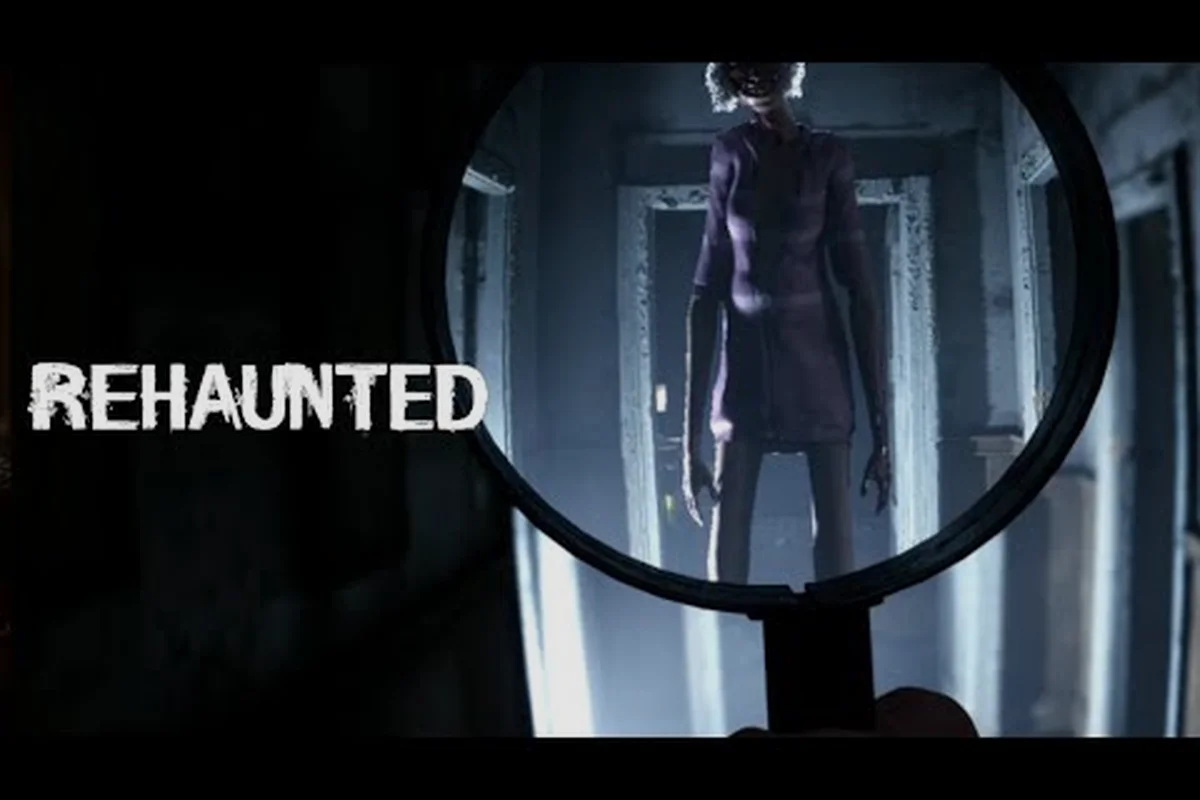
Rehaunted wire puzzle: evidence board and contradiction fixes
Untangle the Rehaunted wire puzzle by connecting clues on the evidence board, resolving contradictions, and reconstructing the night's events in the right order.
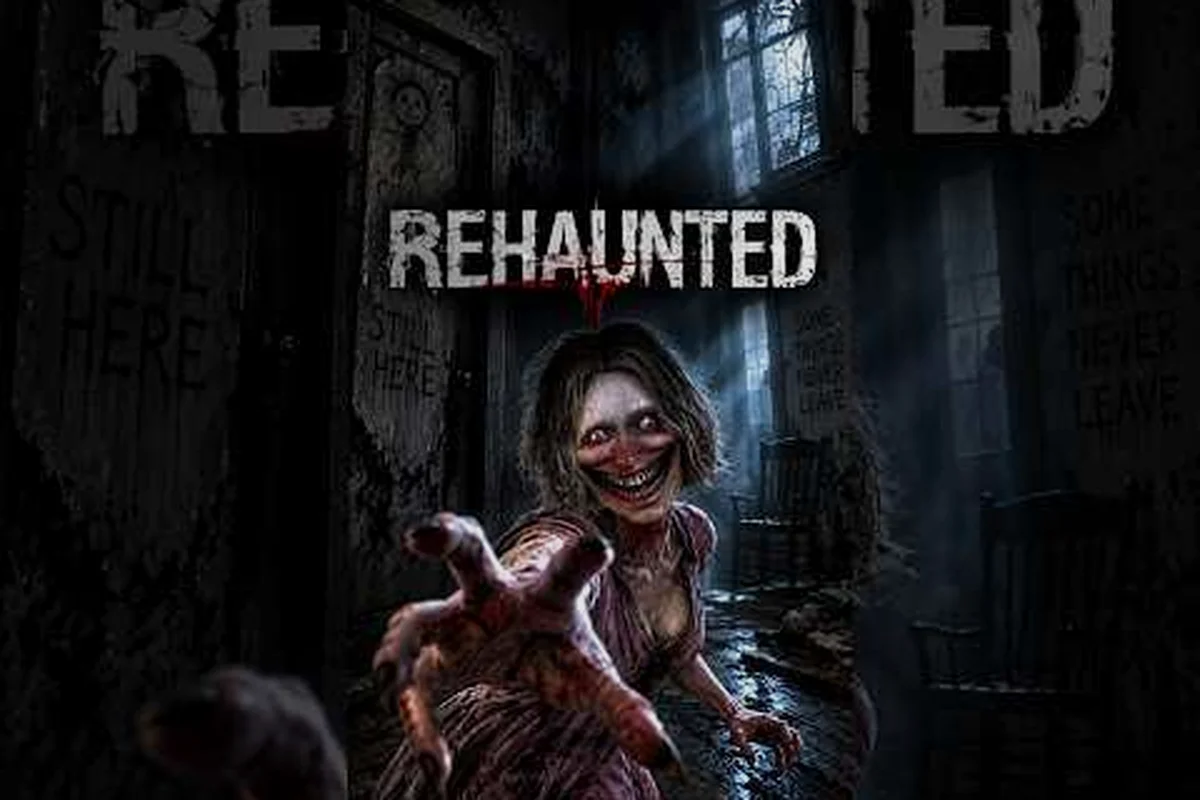
Rehaunted how to open the safe: keypad, password, and riddle
Learn Rehaunted how to open the safe with the right keypad password, decode the surrounding riddle, and get unstuck when the lock refuses to budge.
Rehaunted how to reconstruct the night: unlock every room
Follow this Rehaunted how to reconstruct the night walkthrough to escape the house, unlock the basement and attic, and open every hidden passage when stuck.
All Articles
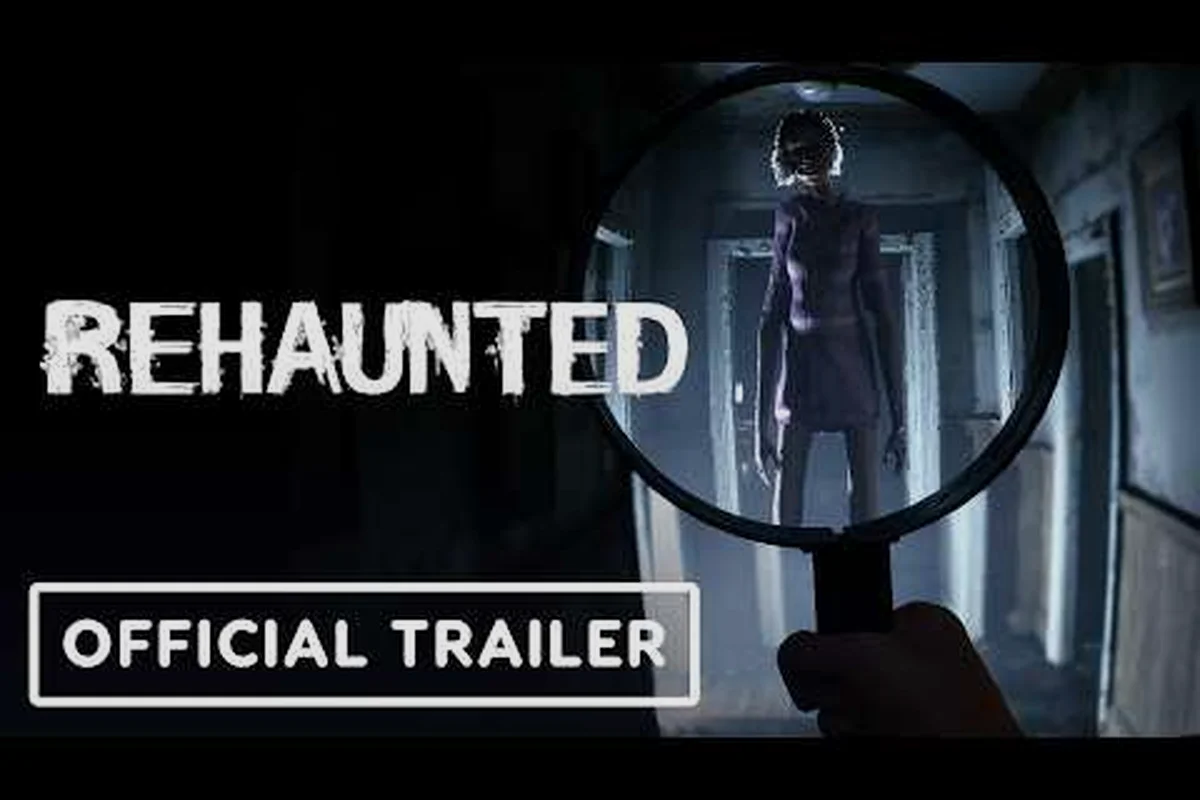
Rehaunted secret passage: hidden door, hard puzzles, and hints
Find the Rehaunted secret passage by opening the hidden door, tackling hard optional puzzles, and using the right hints to reveal every hidden answer.
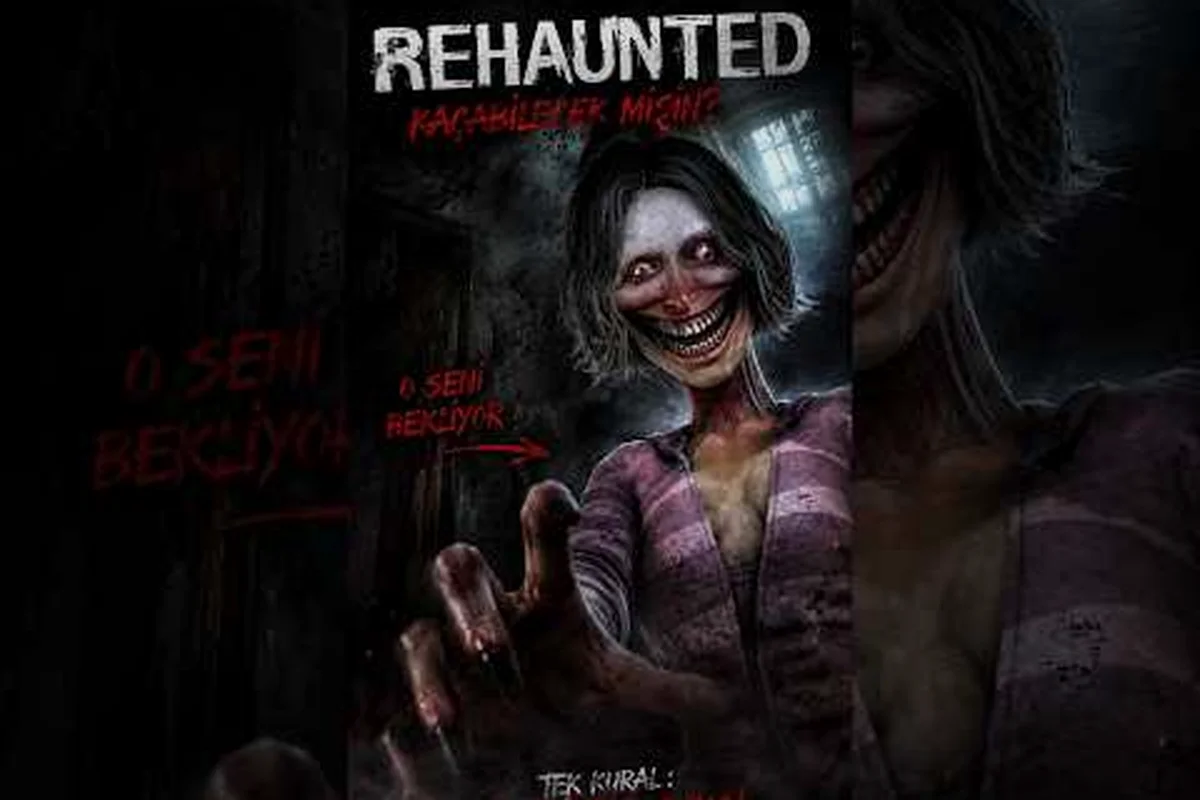
Rehaunted painting puzzle: symbols, mirror, and bookshelf steps
Solve the Rehaunted painting puzzle by decoding the mirror symbols, matching the bookshelf order, and wiring the fuse box circuit without trial and error.
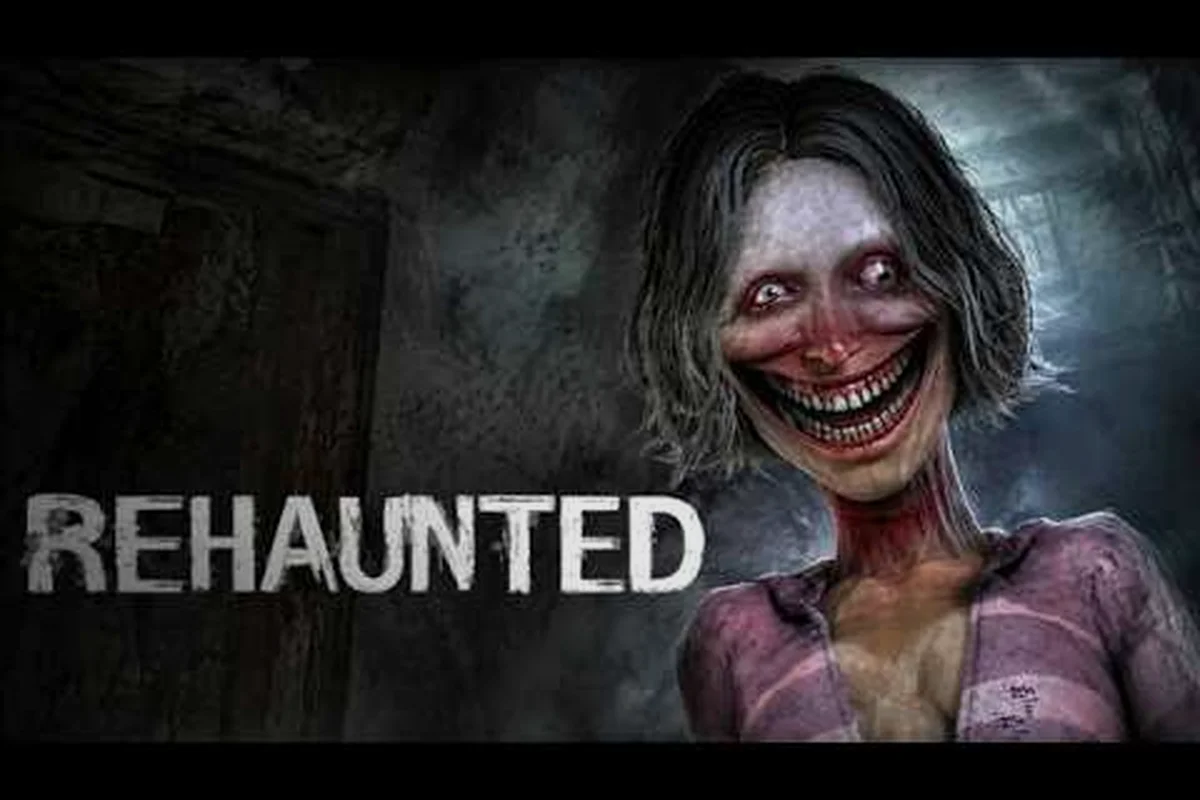
Rehaunted puzzle solutions: every deduction and answer
Browse complete Rehaunted puzzle solutions covering every deduction step, clue input, and answer so you never get stuck inside the haunted house.
Rehaunted safe combination: lock, clock, and door codes
Crack every Rehaunted safe combination with deduction tips for the clock puzzle, keypad lock, and computer or phone password hiding in the evidence.