
Story
Rehaunted story and lore explained: the night of the murder, the history of the house and which parts the game deliberately leaves open.
Introduction
Rehaunted tells a small story in a small space, and then refuses to resolve it for you. Detective Connor Raines arrives at a house where a young woman has died, expecting a straightforward scene, and spends the rest of the runtime discovering that the physical record will not settle into a single account. This section covers the case as the game presents it: what you are told on arrival, how the night can be ordered from recordings and traces, the history of the house itself, and the supernatural thread that runs underneath without ever being confirmed. Where the game leaves something open, this guide says so instead of filling the gap.
Story Layers
| Layer | What it gives you | How much to trust it |
|---|---|---|
| The case as briefed | What Connor Raines is told on arrival, and the assumption he starts from | Treat as the version the evidence will test |
| The physical record | Traces, prints, recordings and objects found in the house | The most reliable layer, though incomplete on its own |
| Testimony and notes | Accounts of the night, relationships and stated motives | Frequently contradicted by the physical record |
| The supernatural thread | Atmosphere and unease without a confirmed explanation | Deliberately open; the game never resolves it |
Story Overview
The Case
What Connor Raines is told, and what the scene actually shows.
Night Timeline
Ordering the events of the murder from recordings, traces and testimony.
House History
The building's past, and why the game treats it as a character.
Supernatural Thread
The unsettling layer that is never confirmed either way.
Themes
Manipulation, unreliable accounts and the cost of deciding.
Core Mechanics
Narrative in Rehaunted is assembled rather than delivered. There is no cutscene that explains the murder and no journal that resolves the contradictions; instead you build the story from three kinds of material that arrive at different speeds. Physical evidence is the most reliable, because traces and prints do not have an agenda. Written material explains relationships and motives but is often wrong, and radio dialogue reframes what you have already found. The intended experience is that these layers disagree, and the story you end up telling is the one your evidence supports. Reading the case means tracking the disagreements, not resolving them early.
Advantages
The story structure is unusually respectful of a short runtime. Because the case is assembled from evidence, almost everything you do is also narrative progress, so there is no separation between exploring and following the plot. The house functions as a character in its own right, and the game leans on that: sound design, tight framing and an environment that reads as abandoned but not empty do most of the storytelling work. The result is a mystery that stays legible at two to three hours, without the usual filler of a longer investigation game, and that rewards a second pass because the second reading is genuinely informed by the first.
Challenges
The obvious cost of a case built on contradiction is that some players will finish it feeling unresolved, and that reaction is intentional rather than a flaw in your run. There is no authoritative summary waiting at the end, no confirmation that the reading you chose was the correct one, and no post-credits explanation that ties the supernatural elements to the crime. The other limitation is data. Cauchemar has published very little about the fiction beyond the store page and the launch material, so any analysis here is drawn from what the game shows and from the developer's own framing, and speculation is labelled as speculation.
Frequently Asked Questions
What is the story of Rehaunted?+
Is Rehaunted actually supernatural?+
Does Rehaunted have a twist ending?+
Quick Tips
Separate what the game states from what you infer. Rehaunted mixes physical evidence, written accounts and radio dialogue that disagree on purpose, so notes that label a claim as interpretation rather than fact are the most useful part of any story write-up. Keep the two categories apart and the case stays readable.
Do not treat the supernatural layer as a puzzle to solve. It is built to stay unresolved, and the ending does not certify it either way; how much of it you accept is part of the reading you commit to at the final reconstruction rather than a hidden objective you failed to complete.
Finish your evidence sweep before you draw conclusions about the night. Story in this game is assembled from what you logged, so an early interpretation built on a thin case file is usually the one the evidence later takes apart. Build the file first, then read it back. The order matters more than the speed.
Featured
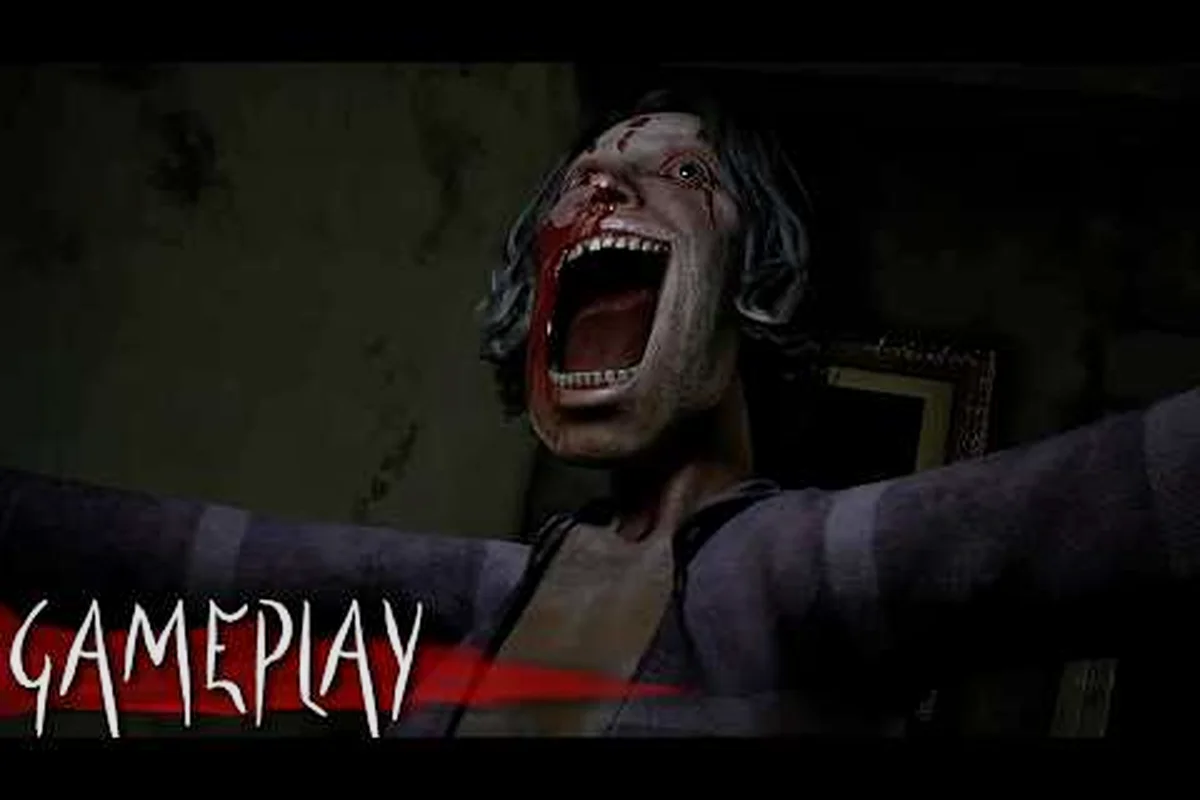
Rehaunted story explained: plot, lore, and ending breakdown
Get the Rehaunted story explained from opening crime scene to finale, covering the core plot, hidden lore, and how every ending unfolds.
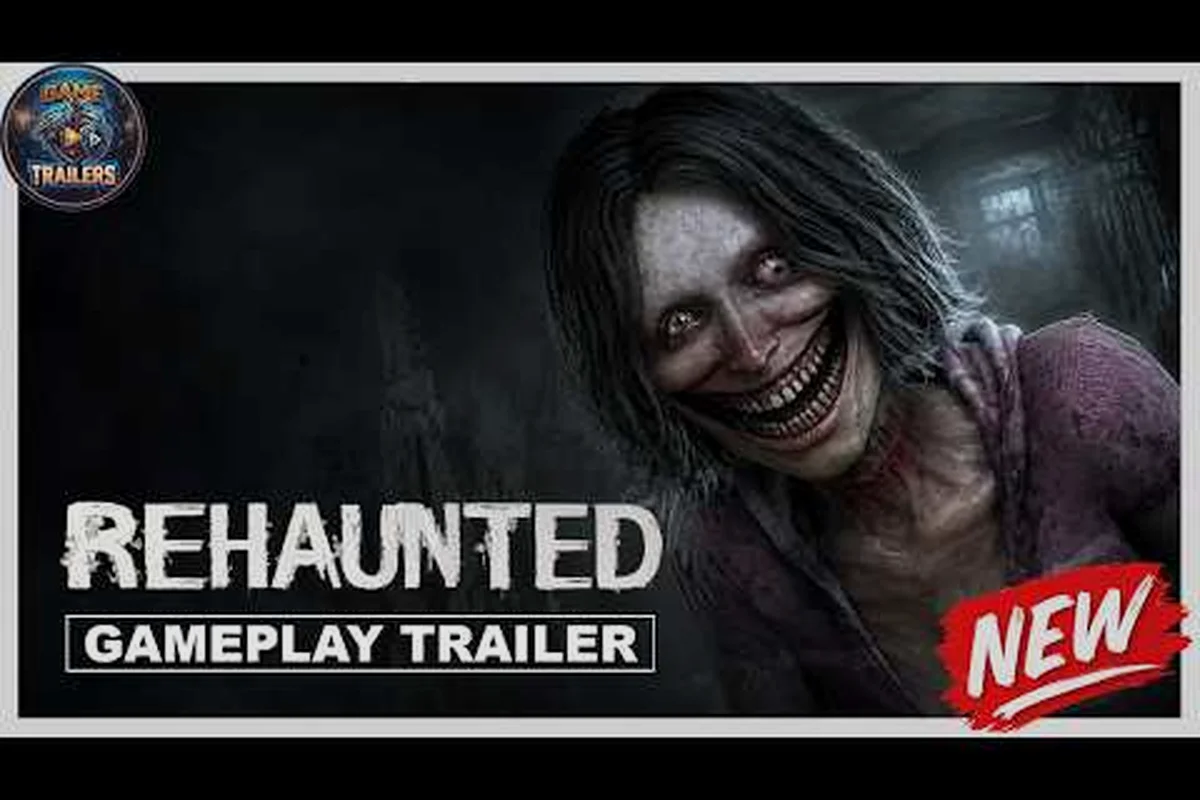
Rehaunted documents story: house secrets and family history
Piece together the Rehaunted documents story through house secrets, family history buried in notes, and the ghost story that explains the haunting.
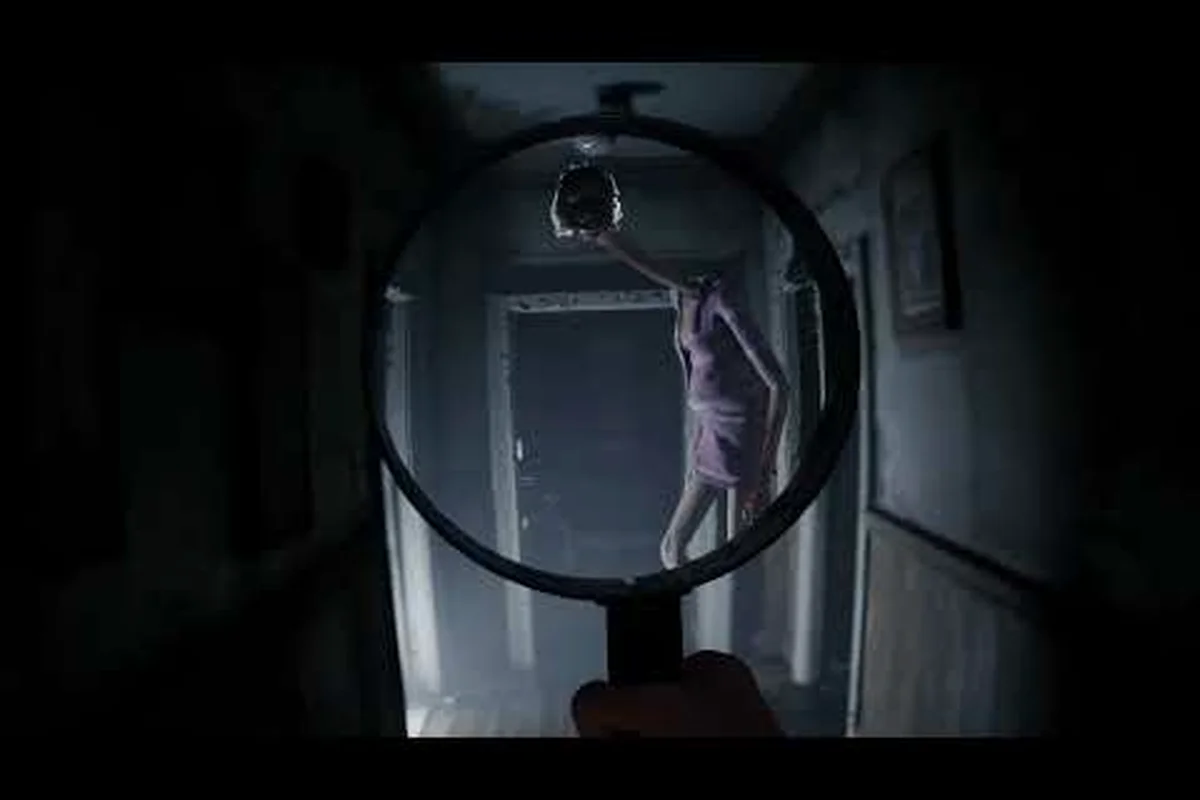
Rehaunted true story behind the crime: lore and spoilers
Recap the Rehaunted true story behind the crime with a full lore breakdown, the backstory nobody mentions, and the spoilers that reshape the ending.
All Articles
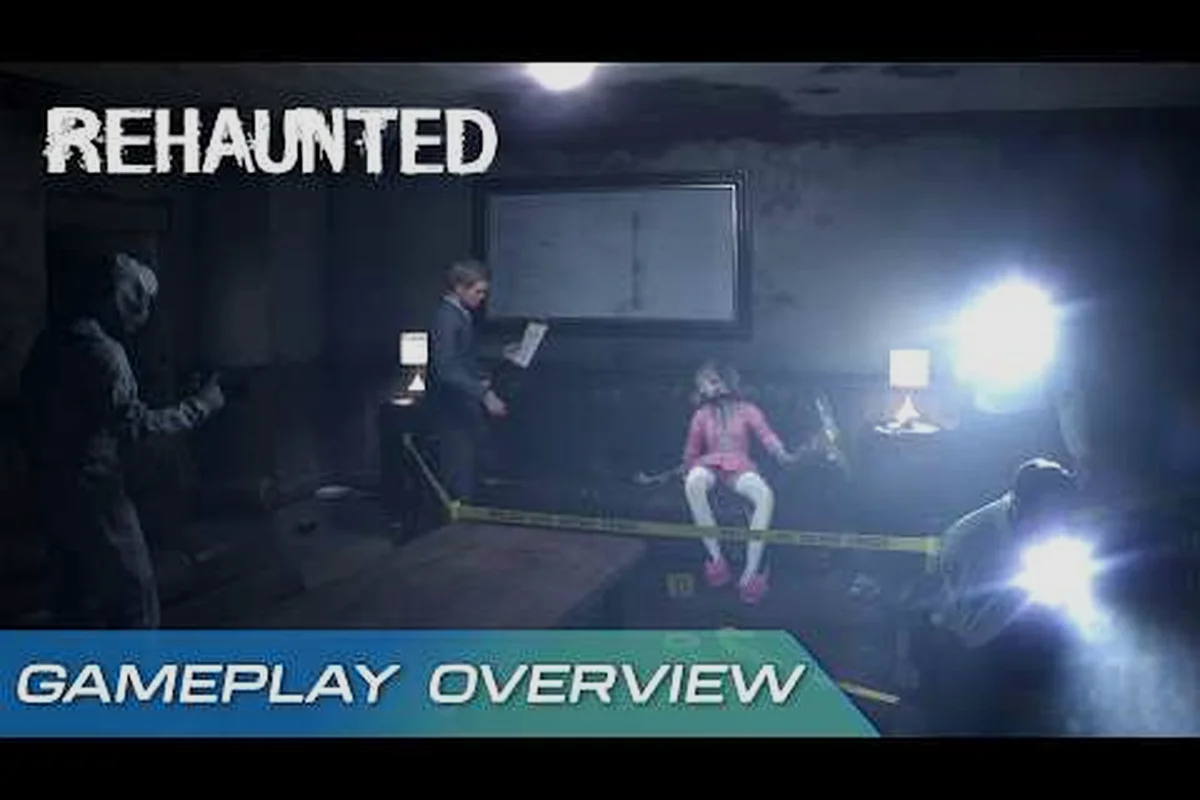
Rehaunted disturbing revelations: hidden secrets and theories
Dig into the Rehaunted disturbing revelations covering hidden secrets, supernatural clues, and fan theories buried in radio recordings and evidence board notes.
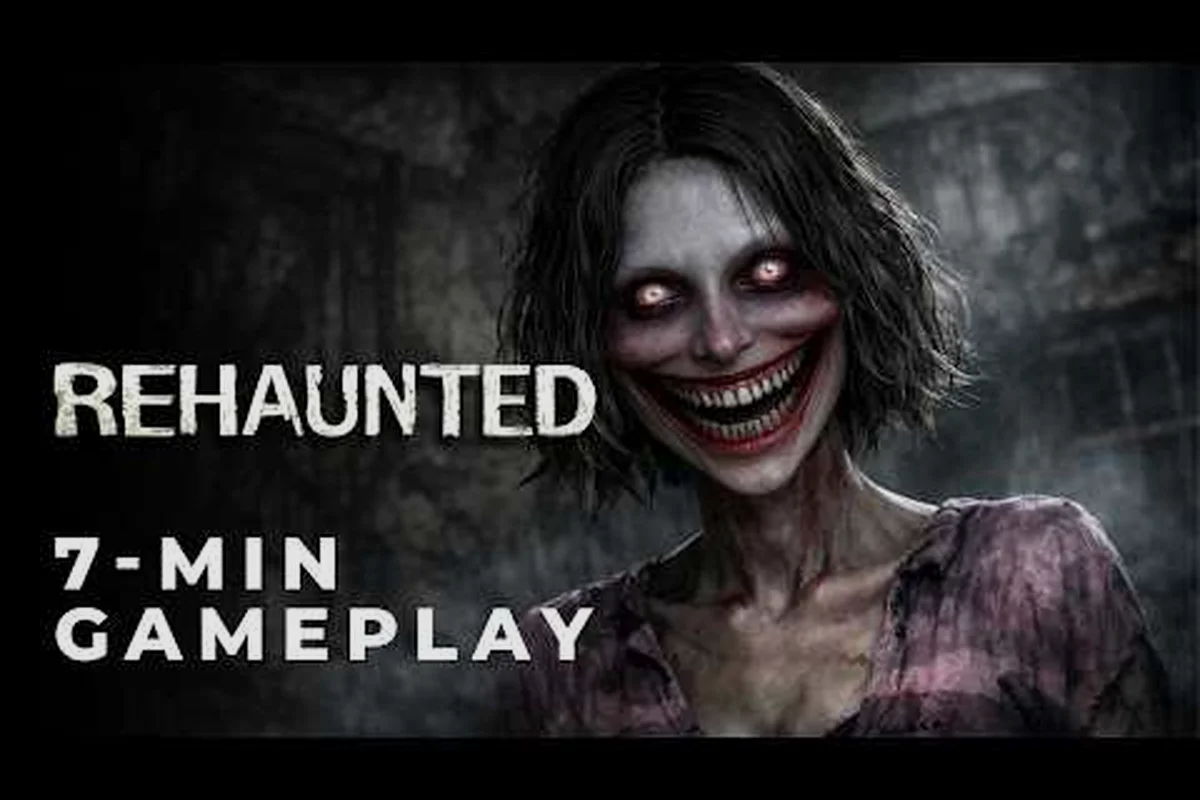
Rehaunted full story: plot summary and event timeline
Follow the Rehaunted full story chapter by chapter with a complete plot summary, chronological timeline, and house history connections.
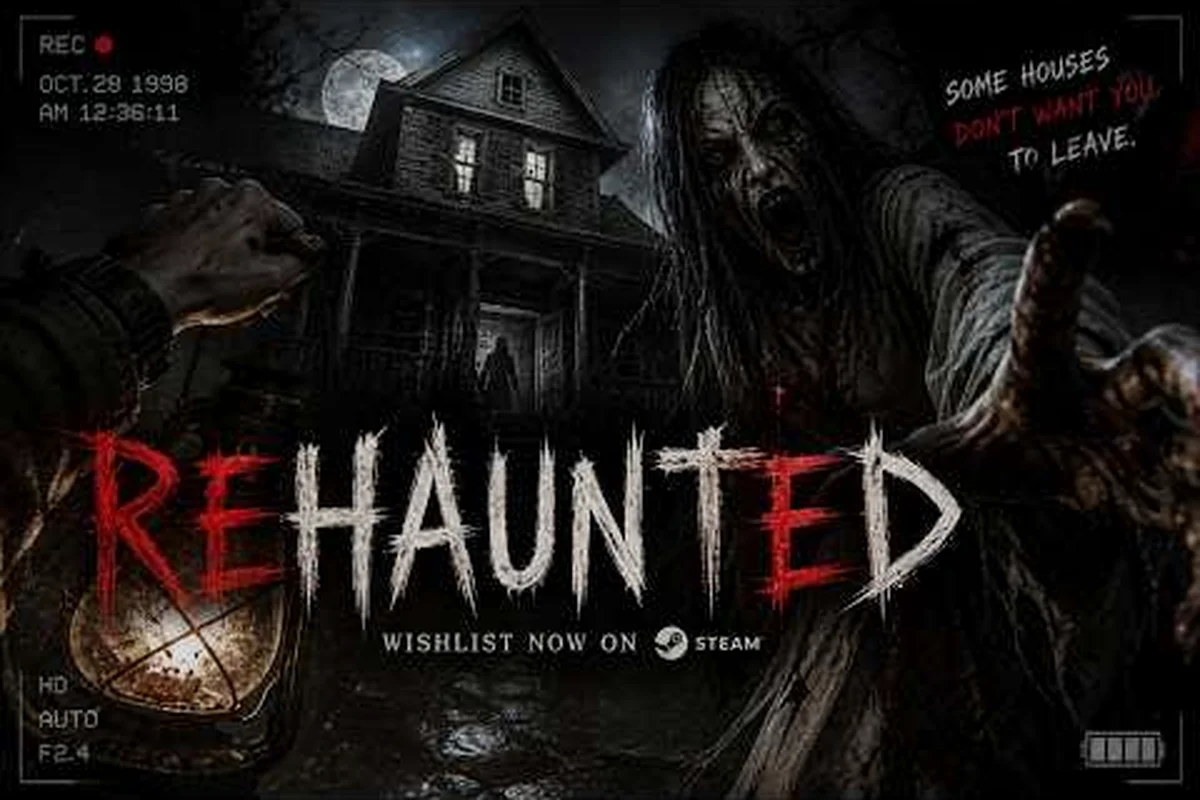
Rehaunted themes: manipulation, meaning, and supernatural layers
Unpack the Rehaunted themes driving the story, from psychological manipulation and grief to whether the horror is truly supernatural or all in the detective's mind.
Rehaunted what happened in the house: the night of the murder
Unravel Rehaunted what happened in the house with a breakdown of the night of the murder, the crime itself, and the plot twist that reframes the case.