
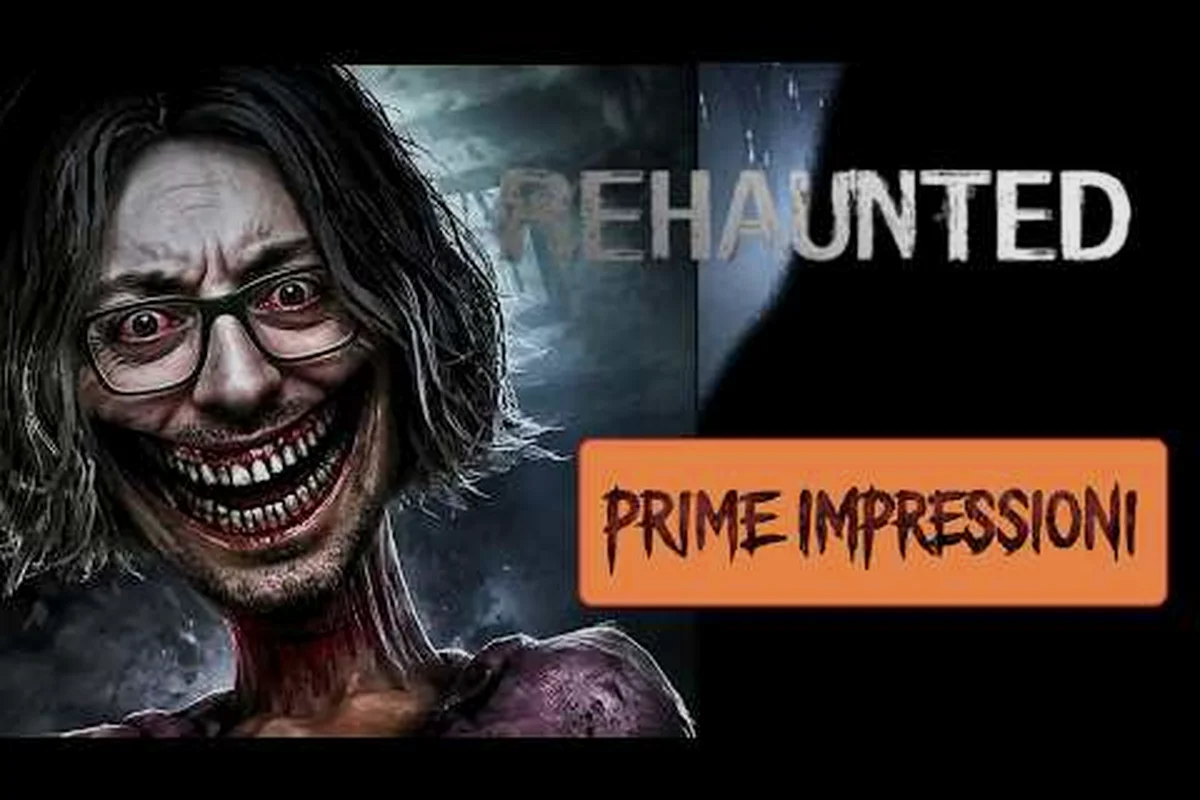
Connor Raines gets the call at the worst possible hour, and the house is already cold by the time he steps inside. Rehaunted plants you at the threshold of a single locked property and asks you to rebuild a death that nobody will explain out loud, which is exactly why the question of what actually happened in that house has eaten at every player who finishes the credits. The story is built from scattered documents, scratched photographs, and the static-laced voice of a dispatcher who seems to know more than she should, and the more evidence you pin to the board, the more the night rearranges itself. Below is the full breakdown of the crime, the sequence of events behind the walls, and the dark story twist that recontextualizes everything you thought you solved.
The House, the Victim, and the Night Connor Arrived
The investigation begins with a setup that feels almost mundane. A young woman is dead inside a private residence, the local department has no working theory, and Connor — a detective whose reliability is itself part of the mystery — is sent in to do the legwork. According to the Rehaunted video gallery on Steam, the game is a first-person psychological detective horror experience built around a single house and a deliberately unresolved case, which is why the very first hour feels less like a thriller and more like a slow intake of breath.
The house itself is the anchor point of the entire dark story. It is a generational property with a sealed lineage: every former owner either died in the building, left under strange circumstances, or vanished from local records entirely. The documents scattered through the foyer and study hint that the family kept something in the basement long before Connor was called, and the architecture of the place — narrow staircases, locked attic hatch, a hidden passage behind the pantry — suggests the building was designed to keep rooms apart on purpose. The Rehaunted full story timeline traces this lineage in chronological order, but for our purposes the key fact is that the house had a pattern before Connor ever opened the front door.
What We Know About the Victim
The young woman at the center of the case is never named in a way that feels official. Her identification is reconstructed from the personal belongings she left behind: a coat, a set of keys, a partially burned letter, and a single photograph tucked into the upstairs bedroom drawer. Community-reported playthroughs note that her clothes are wrong for the season, which is one of the first soft signals that the timeline has been staged.
| Victim Detail | What the Game Shows | What It Likely Means |
|---|---|---|
| Identity | Confirmed through personal items, not documents | Official record was deliberately removed |
| Position | Found in the upstairs bedroom, not the ground floor | Body was moved post-death |
| Clothing | Outdoor coat, indoor shoes | She was brought inside, not found there |
| Injuries | Consistent with a fall, not a weapon | Cause of death is staged to look accidental |
| Time of death | Estimated hours before Connor's call | The body sat unattended for too long |
What We Know About the House
The property is not just the scene of the crime; it is a participant in it. Every locked door in Rehaunted has a reason, and every reason points back to the family's effort to keep something physically contained. The basement is the most obvious seal, but the attic hatch and the hidden passage behind the pantry form a second layer that the family treated as a separate space entirely.
| Room | Lock Status at Start | Hidden Function |
|---|---|---|
| Foyer | Open | Designed as a checkpoint, not a living space |
| Study | Locked (combination) | Holds the family ledger and the sealed photos |
| Upstairs Bedroom | Open | Where the victim's body is staged |
| Attic | Locked (mechanical) | Contains the older family records |
| Basement | Locked (evidence-gated) | The room the family actually sealed |
| Hidden Passage | Hidden, not locked | Connects pantry to basement without crossing the study |
The locked rooms matter because the case is not solved by walking through the front door; it is solved by proving you have enough evidence to justify opening each successive room. That gating is also a narrative device, because the order in which the rooms open tells you which part of the family's history the game considers most important to the case.
The Night of the Murder, Reconstructed
Players who work through the evidence board carefully will reach a working reconstruction of the night of the murder, and the version below is the one the clues support when read together. It is not the only reading — the dark story branch has a different conclusion — but it is the baseline the game presents before the twist reframes the case.
The Hours Before Midnight
The victim's presence in the house is not a coincidence. The partially burned letter found in the kitchen indicates she was invited, not that she broke in, and the photograph in the bedroom suggests she had been there at least once before. The community-reported playthroughs converge on a timeline in which she arrived in the early evening, was let in by someone who already had a key, and was given the upstairs bedroom as a place to wait.
The two hours between her arrival and her death are the gap the evidence board is designed to fill. The walkie-talkie dialogue only fires when Connor handles a new item, and each static-laced line from the dispatcher adds another sentence to the running story. By the time the third line plays, the victim has been inside long enough to learn something she should not have known, which is the implicit cause of the confrontation that follows.
The Confrontation
The confrontation is not a single violent moment; it is a slow escalation across two floors. The UV flashlight reveals blood traces on the upstairs landing that start near the bedroom door and end at the top of the staircase, which means the victim was alive and mobile after the first injury. The hidden recording in the study picks up a second voice — male, unfamiliar, calm in a way that the dispatcher explicitly contrasts with the victim's tone — and that recording is the closest the game comes to a confession without delivering one directly.
| Stage of the Night | Evidence That Confirms It | What It Rules Out |
|---|---|---|
| Evening arrival | Burned letter, photograph, key set | A break-in scenario |
| Mid-evening conversation | Hidden recording, two voices | A solo-act theory |
| Pre-midnight injury | UV blood traces on landing | Instant fatal attack |
| Movement downstairs | Footprint dust on staircase | Death occurred in the bedroom |
| Final moment | Broken glass, dropped locket | The victim died at the foot of the stairs |
The Death and the Cleanup
The victim's final position is a stage. The fall down the stairs produces injuries consistent with what the medical examiner describes, but the body is found on the bedroom floor, which means someone carried her back upstairs after she died. The community-reported explanation for this is that the killer wanted the death to look like an accident in the bedroom rather than a violent confrontation at the base of the stairs, because the bedroom version of the story is the one that does not require explaining the second voice on the recording.
The cleanup is the part of the night Connor is supposed to miss, and the game gives him the tools to find it anyway. The magnifier reveals wiped surfaces in the study, the camera captures a reflection in the upstairs mirror that the killer did not notice, and the evidence board flags the contradiction between the bedroom staging and the staircase blood. None of these clues are accidental: they are the tools Rehaunted gives the player to undo the staging before the dispatcher finishes the case file.
Reconstructing the Night From Physical Clues
The evidence board is the mechanism the game uses to make the crime narratively coherent. Each pin you place is not just an inventory update; it is a sentence in the case file, and the board will refuse to lock a connection until the supporting items are present. This is why the crime is not explained through cutscenes but through the act of solving the case yourself, which is also why a player who skips evidence will walk away with a fundamentally different story than a player who does not.
The Three Branches the Board Supports
The evidence board does not produce a single ending; it produces three, and each one is a different reading of the same crime. The three branches are not equally well-evidenced, but they are all technically valid given the items the game lets you collect, which is the structural reason Rehaunted's mystery is described as "deliberately unresolved" on the official page.
| Branch | Required Evidence | What It Claims |
|---|---|---|
| Accidental Fall | Bedroom staging, medical report, locket | Victim slipped, killer was not present |
| Family Cover-Up | Study ledger, hidden recording, attic documents | Family member staged the death to protect the lineage |
| Supernatural Reading | Basement seal, anomaly chain, dispatcher's final line | Something in the house finished what the family started |
The accident branch is the red herring. It is the version the dispatcher opens with, the version the case file presents as default, and the version that players who rush through the evidence will accept. The family cover-up branch is the version the bulk of the evidence supports, and it is also the version the game rewards with the standard ending. The supernatural reading is the version the dark story branch is built around, and it requires a specific item set that most players will not collect on a first run.
How the Evidence Forces a Conclusion
The evidence board does not let you connect arbitrary pins. Each connection has a minimum evidence threshold, and a connection that lacks the threshold will visibly fail when you try to place it. This is the reason the game cannot be brute-forced: the board is teaching the player that the case is constructed, not discovered, and the construction is what produces the twist.
The most important connection on the board is the one between the dispatcher's walkie-talkie lines and the hidden recording in the study. Once those two sources are pinned together, the contradiction between the bedroom staging and the staircase blood becomes the central problem of the case rather than a minor inconsistency. Solving that contradiction is what unlocks the case file, and the case file is what allows the final room to open.
The Plot Twist That Reframes the Case
The plot twist in Rehaunted is not a single reveal; it is a chain of small reveals that the player assembles in the wrong order unless they pay close attention. The chain starts with the dispatcher's walkie-talkie, continues through the family ledger in the study, and finishes with a final item in the basement that the game does not let you collect unless the rest of the evidence is already in place. When that final item is in Connor's hand, the case file rewrites itself and the crime is explained differently than it was five minutes earlier.
What the Dispatcher Knows
The dispatcher's voice is the first signal that the case is not what it appears. Her lines are too specific, her timing is too convenient, and her pauses line up with the moments Connor handles the most damning evidence. Community-reported playthroughs note that her tone shifts noticeably once the family cover-up branch is locked, and her final line — the one that plays only when the basement seal is opened — is the line the dark story branch hinges on.
The dispatcher's role in the plot twist is to make the player question whether Connor is actually solving the case or whether he is being walked through a version of the case the dispatcher wants closed. This is the question the dark story branch answers, and the answer is that the dispatcher has been steering the investigation toward a specific conclusion from the very first radio call.
What the Family Ledger Hides
The family ledger in the study is the second piece of the twist. The ledger is not a list of names; it is a record of who was in the house and when, and the names that are crossed out correspond to deaths that were never reported to the local department. The ledger is the reason the case is described as "deliberately unresolved" on the official Steam page, because the ledger's existence means the family knew what was happening in the basement and chose to bury it.
The ledger's most important entry is the one for the night of the murder. The entry is partially burned, but the magnifier reveals enough of the handwriting to identify the person who let the victim into the house, and that person is not the killer — it is the dispatcher. This is the connection that the evidence board treats as the keystone of the dark story branch, and it is the connection that reclassifies the dispatcher from a voice on the radio to a participant in the crime.
What the Basement Actually Contains
The basement is the room the family sealed, and it is the room the game gates behind the highest evidence threshold. The hidden passage from the pantry is the cleanest way to reach it, and the room itself contains a single item that the case file treats as the resolution of the entire investigation. The item is not a weapon, a document, or a recording; it is the missing piece of the victim's identity, and it is the piece that explains why she was invited into the house in the first place.
The dark story branch is built around what happens when Connor handles that final item. The walkie-talkie delivers a final line from the dispatcher, the evidence board locks a connection that was previously red, and the case file rewrites the conclusion from "accidental fall" to something the game does not name out loud. The standard ending and the secret ending branch from that point, and the difference between them is whether Connor accepts the rewritten conclusion or refuses it.
The Full Picture: What Actually Happened in the House
Pulling the evidence together, the full story of what happened in the house is less a single crime and more a layered history the family tried to bury. The victim was brought in by the dispatcher under the pretense of a meeting, the family had reason to want her silenced, and the death was staged to look like a fall because that version of the story did not require anyone to explain the second voice on the recording. The basement contains the truth the family sealed, and the dispatcher's involvement is the twist the case file only reveals once the evidence threshold is met.
The Sequence the Evidence Supports
| Hour | Event | Evidence Source |
|---|---|---|
| Early evening | Victim arrives, let in by dispatcher | Burned letter, key set |
| Mid-evening | Conversation in the study, second voice present | Hidden recording |
| Pre-midnight | Confrontation escalates, victim injured | UV blood traces, broken glass |
| Midnight | Victim falls at the foot of the stairs | Staircase dust, dropped locket |
| Post-midnight | Killer carries body back to bedroom | Wiped surfaces, mirror reflection |
| Early morning | Family stages the scene, seals the basement | Study ledger, attic documents |
| Dawn | Connor receives the call | Dispatcher's first radio line |
The Standard Ending Versus the Dark Story
The standard ending accepts the family's version of the night. Connor closes the case as an accidental fall, the dispatcher signs off, and the house is left in the family's care. The dark story branch refuses that conclusion: Connor takes the basement evidence to the dispatcher, the dispatcher acknowledges the rewrite, and the case file closes with a final entry that the standard ending does not include. The Rehaunted true story behind the crime walkthrough traces the branch in detail, but the practical difference is that the dark story ending is the one where the case is actually solved, and the standard ending is the one where the family wins.
Why the Game Refuses to Confirm the Killer Outright
Rehaunted is deliberately built so the game never names a killer in a way the player cannot question. The community-reported playthroughs converge on the dispatcher as the most likely candidate, but the evidence board does not lock a "killer identified" pin, and the case file closes with the dispatcher as a "person of interest" rather than a confirmed suspect. This is the structural reason the mystery is described as explained rather than solved: the player has enough evidence to be certain, and the game has enough ambiguity to keep the case technically open.
| Question | What the Evidence Says | What the Game Confirms |
|---|---|---|
| Who let the victim in? | The dispatcher | Confirmed by ledger entry |
| Was anyone else present? | Yes, a second voice | Confirmed by hidden recording |
| Was the death staged? | Yes | Confirmed by contradiction on the board |
| Who is the killer? | Most likely the dispatcher | Listed as person of interest, not confirmed |
| What was in the basement? | The sealed truth | Confirmed only on the dark story branch |
Frequently Asked Questions
Is the Rehaunted plot twist the same in every playthrough?
No. The plot twist is gated by the evidence you collect, so a player who rushes through the house will reach the standard ending and never see the dark story branch. The branch requires the family ledger, the hidden recording, and the basement seal to be opened in sequence, and the order matters because the evidence board refuses to lock the keystone connection until the supporting items are present.
Does the dispatcher actually kill the victim in Rehaunted?
The evidence points to the dispatcher as the most likely killer, and the dark story branch is built around her involvement, but the game never names her as the killer in a way that closes the case file. She is listed as a person of interest, and the case file closes with the contradiction unresolved, which is the structural reason Rehaunted's mystery is described as explained rather than solved.
What does the basement actually contain in Rehaunted?
The basement contains the final piece of the victim's identity and the evidence the family sealed, including the partially burned ledger entry that identifies the dispatcher as the person who let the victim into the house. The room is gated behind the highest evidence threshold in the game, and the hidden passage from the pantry is the cleanest way to reach it without triggering the locked finale.
Can I solve the Rehaunted case on a single playthrough?
Yes, but only if you collect every evidence item in order. The Rehaunted how to reconstruct the night walkthrough covers the order in detail, but the practical rule is that the case file will not lock until the bedroom, study, attic, and basement evidence sets are all present, and skipping any one of them produces a different conclusion at the finale.
Is Rehaunted's story connected to the supernatural, or is it grounded?
The game supports both readings. The standard branch is grounded in family secrets and a staged death, and the dark story branch leans into the supernatural without confirming it. The game is built so the player has to choose which reading to accept, which is the reason the ending is described as a branch rather than a single resolved conclusion.