
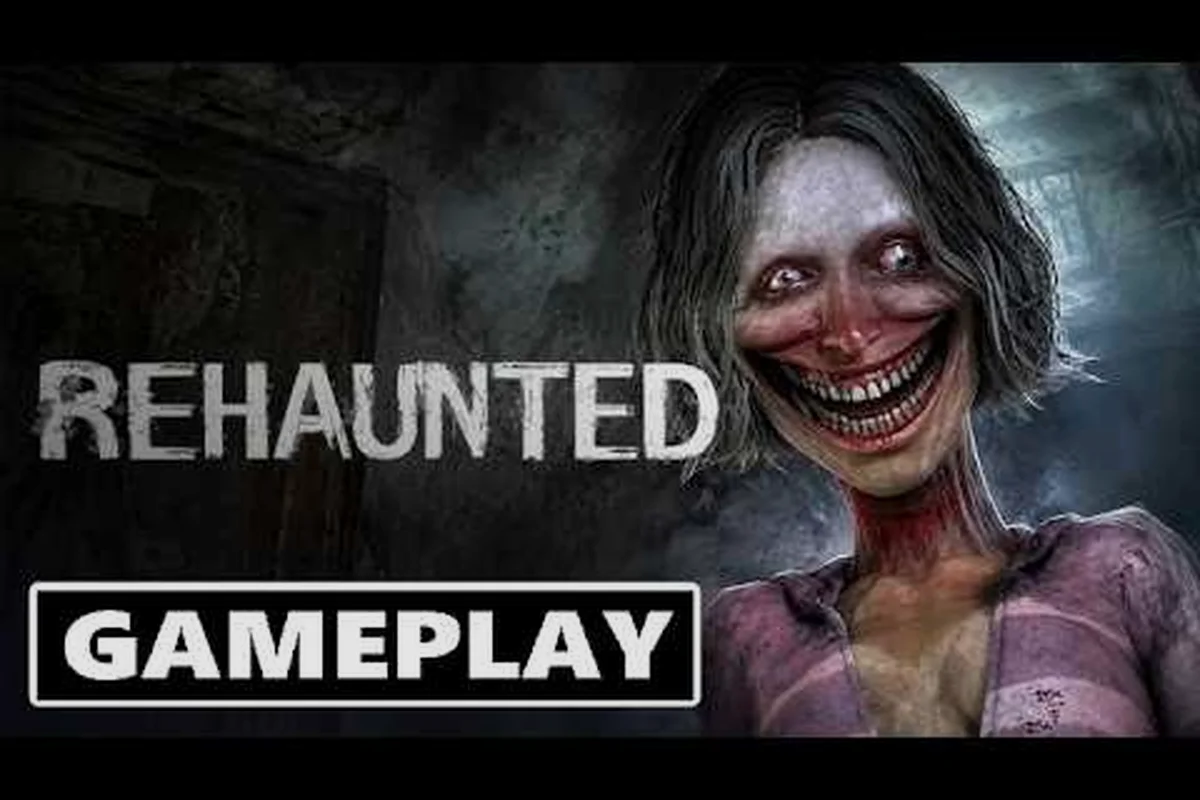
Rehaunted is a first-person psychological detective horror game where you step into the shoes of detective Connor Raines, investigating a single death inside a locked house. Because the entire experience is built around one sustained core loop — scan, document, deduce, repeat — understanding that loop is more important than memorizing any specific chapter beat. This Rehaunted beginner guide walks you through the toolset, the investigation rhythm, and the first decisions that shape how smoothly your first playthrough feels, so you can spend less time wandering and more time actually solving the case.
The game was developed and published by the French studio Cauchemar, and according to the Rehaunted player guides on Steam store page, it launched for Windows PC on September 14, 2026. The official feature list frames the experience as a slow-burn investigation rather than an action horror title, which means new players who treat it like a shooter tend to miss half the evidence. Treating it like a case file you are actively building is the mindset that unlocks everything else.
Understanding the Rehaunted Core Loop
The Rehaunted core loop is the heartbeat of the entire experience, and it is short enough to learn in a single session but deep enough to reward careful play. Every investigation cycle in the house follows the same four-phase rhythm: scan a room for anomalies, document what you find, cross-reference evidence on your board, and advance the case with the resulting deduction. Players who internalize this loop early tend to report much smoother runs, because they stop second-guessing when to push forward and when to linger.
The Four-Phase Investigation Cycle
| Phase | Primary Tool | What You Produce | Typical Time |
|---|---|---|---|
| Scan | UV flashlight | List of glowing marks and hidden writing | 2–4 minutes per room |
| Document | Camera | Photograph evidence at the correct angle | 1–2 minutes per item |
| Cross-reference | Evidence board | A confirmed link between two clues | 30–90 seconds |
| Advance | Walkie-talkie | A new objective or a locked door opening | Instant after deduction |
The UV flashlight is your first tool, and it reveals the layer of the world that naked eyes cannot see. The camera is the second tool, and it does not just take pictures — each photograph is graded, meaning an out-of-focus or badly framed shot may not register as valid evidence. The magnifier is for fine detail, while the walkie-talkie connects you to a handler who occasionally feeds context clues. The Rehaunted how to investigate guide covers each tool in deeper mechanical detail, but the beginner takeaway is simple: never move on from a room until you have scanned, photographed, and pinned at least one item to the board.
Why the Loop Matters More Than the Story
Horror investigation games live or die on pacing, and the loop is what paces Rehaunted. The story is delivered in fragments — voice memos, journal entries, environmental staging — and the only way to unlock the next fragment is to feed the loop enough confirmed evidence. New players who sprint past rooms because the atmosphere feels tense end up stalling later when the case refuses to advance. The loop is also the game's tension engine: every photograph you take is a moment where the house is watching you back, so the rhythm itself becomes a kind of horror mechanic rather than a passive backdrop.
Tools, Controls, and the First Hour Setup
The toolset in Rehaunted is deliberately small, which is good news for a new player. Five tools, one objective system, and one house. You will not be juggling a sprawling inventory, and the early-game design is generous with safe spaces to learn each tool. According to the Cauchemar official website, the team built the experience around accessibility first, with optional aim assists and re-bindable inputs available from the main menu.
Starter Tool Comparison
| Tool | Primary Use | Common Beginner Mistake | Power Cost |
|---|---|---|---|
| UV flashlight | Reveals hidden writing, fingerprints, blood traces | Walking too fast — UV wash only lingers on surfaces briefly | Battery, drains over time |
| Camera | Captures evidence for the board | Shooting before focusing — blurry photos do not count | Film, finite per chapter |
| Magnifier | Reads fine text, inspects objects up close | Using it on objects that need the UV light first | None |
| Walkie-talkie | Talks to handler, advances certain scenes | Calling at the wrong moment — some calls trigger events | None |
| Evidence board | Connects clues into deductions | Pinning without reading the full description | None |
Your first hour should be spent in the foyer and the upstairs hallway, where the game quietly teaches you every tool without locking you into a scripted sequence. Use the UV flashlight on the wallpaper, the picture frames, and the door handles. Photograph anything that glows. Pin the photograph to the board. Read the handler's text. Repeat. By the time you reach the second floor, the loop should feel automatic, and the game begins trusting you with denser rooms.
Input and Comfort Settings Worth Changing First
| Setting | Recommended Starting Value | Reason |
|---|---|---|
| Mouse sensitivity | 40–50% | Photo framing requires precision, not flick speed |
| Field of view | 75–85 | Wider FOV reduces motion discomfort during long scans |
| Subtitle size | Large | Journal entries and handler dialogue are text-heavy |
| Haptics / vibration | Low or off | Sustained vibration during scans muddies the audio cues |
| Autosave interval | Default (5 min) | Manual saves are limited; trust the autosave until you learn the save system |
Scanning, Photographing, and Building the Evidence Board
The evidence board is the single most important screen in Rehaunted, and many new players underuse it. The board is not just a checklist — it is a deduction engine. When you pin two related clues near each other, the game can synthesize a new piece of information that neither clue contained on its own. This is how the story reveals itself: not through cutscenes, but through connections the board makes visible.
Evidence Board Workflow
| Step | Action | Common Error | Result on Success |
|---|---|---|---|
| 1 | Photograph an anomaly | Photographing before UV reveal | "Unclear image" — does not pin |
| 2 | Open the board | Skipping the description text | Missed context clue |
| 3 | Pin the photo | Pinning to an empty cluster | No deduction possible |
| 4 | Drag a second related clue nearby | Pairing unrelated clues | "No link" prompt |
| 5 | Confirm the pair | Rushing the confirmation | New synthesized clue unlocks |
The trick to a productive board is reading the description text under every pinned photo. The game writes these descriptions in plain language, and they often hint at which other clue belongs alongside them. For example, a photograph of a wet footprint might describe the tread pattern, which later pairs with a photograph of a muddy boot by the back door. Players who skip the text and just pair visually similar photos end up with a board full of "No link" prompts, which is the single most common Rehaunted beginner mistake reported in community play.
Film Economy in the First Two Hours
Film is the only finite resource in the early game, and running out at the wrong moment softlocks a small number of optional scenes. The economy is generous if you photograph deliberately and punishing if you photograph everything. A useful rule of thumb: photograph only what the UV flashlight reveals as anomalous. If a surface looks normal to the naked eye and the UV light does nothing, the camera will not register it as evidence anyway, and you have wasted a frame.
| Resource | Starting Amount | Refill Location | Beginner Rule |
|---|---|---|---|
| Film | ~24 frames | Safe room cabinet, first found | Photograph only UV anomalies |
| UV battery | ~8 minutes of use | Safe room charger | Turn off between rooms |
| Magnifier | Unlimited | Always available | Use freely, no cost |
| Walkie-talkie | Always on | Always available | Save calls for handler cues |
Pacing, Atmosphere, and Common Beginner Mistakes
Rehaunted is a horror game, and the atmosphere is part of the design — but it is also a game that punishes panic. The most common beginner mistake is moving through rooms too quickly, because the UV flashlight needs dwell time on each surface to register the hidden layer. Players who walk-and-wave the flashlight over a wall miss the writing on the wallpaper, the smudge on the picture frame, and the hairline crack in the plaster. All three of those, in the game's intended design, are meant to be read together.
Five Mistakes That Stall Progress
| Mistake | Symptom | Fix |
|---|---|---|
| Skipping the evidence board text | Board fills with "No link" prompts | Read each clue's full description |
| Photographing before UV reveal | Blurry or empty photos | Always UV first, then camera |
| Sprinting past rooms | Case refuses to advance | Backtrack, scan slower |
| Ignoring the handler | Missed context, wrong deductions | Answer walkie-talkie prompts |
| Saving only at the autosave | Lost progress on bad photograph | Learn manual save locations |
A second cluster of mistakes revolves around saving. Rehaunted uses a checkpoint-plus-manual system, and the Rehaunted save system guide explains the full mechanic. The short version for beginners: there is no quicksave, and the autosave fires only at specific safe-room triggers. If you take a bad photograph that locks you out of an optional clue, the autosave may already be ahead of you. Learning where the safe rooms are — usually a small desk with a lamp, a journal, and a film cabinet — is the single best early-game habit you can build.
Reading the House Like a Case File
The final beginner skill is the easiest to overlook: treat the house itself as a document. Furniture placement, drawer contents, and even the books on the shelves are all stage-managed by the Cauchemar team to deliver clues. The writing on a bedroom wall pairs with a journal entry on the nightstand, which pairs with a photograph of a photograph on the dresser. The house is a three-dimensional evidence board, and the rooms talk to each other. Players who internalize this — who start asking "what is this room trying to tell me?" instead of "where is the next door?" — consistently report finishing the game with a denser, more satisfying case file.
Rehaunted Tips and Tricks for a Smoother First Run
Once the core loop and tools feel familiar, a handful of practical habits separate a smooth run from a frustrating one. None of these are secret exploits — they are small disciplines that compound across a playthrough. The tips below are drawn from community reports and from the official feature list, so they are grounded in how the game is actually designed to be played.
Seven Habits That Pay Off Across the Whole Game
| Habit | When to Use | Payoff |
|---|---|---|
| UV before camera, always | Every anomaly | Higher photo acceptance rate |
| Read board text out loud | After each pin | Better clue pairings |
| Turn off the UV between rooms | Hallways, transitions | Battery lasts 2x longer |
| Backtrack before chapter end | Last 10 minutes of a chapter | Catches missed optional clues |
| Photograph the journal, not just the anomaly | In bedrooms, studies | Journal text is often a clue |
| Listen for the handler's tone | Walkie-talkie scenes | Tone flags hint at handler reliability |
| Save at every safe room | Always | Manual saves beat autosave timing |
A specific note on the handler: the walkie-talkie voice is not always truthful, and the game tracks how often you question or comply with handler suggestions. This is a soft reputation system, and it influences a small number of late-game dialogue branches. The community has not fully mapped the thresholds yet, so a safe beginner strategy is to listen carefully, then decide rather than answer immediately. There is no time pressure on walkie-talkie prompts, even when the atmosphere suggests otherwise.
Building Rehaunted Investigation Confidence
Confidence in Rehaunted comes from repetition, not from prior horror experience. By the time you have scanned, photographed, and pinned your tenth anomaly, the loop is muscle memory. By the twentieth, you will start anticipating which surfaces matter and which are decorative. The game's design respects this curve — early rooms are forgiving and densely seeded with clear clues, while later rooms require you to chain three or four deductions before a door opens. If the curve ever feels too steep, the Rehaunted starter guide collects the most common first-hour stumbles into a focused checklist.
Frequently Asked Questions
How long is a first Rehaunted playthrough?
A first run of Rehaunted typically takes 6 to 8 hours, based on community reports from players who completed the launch-week release. The variance comes from how thoroughly you document each room — speedrunners finish closer to 4 hours, while completionists who pin every optional clue push past 10.
Can I play Rehaunted with a controller?
Yes. According to the Rehaunted Steam community hub, the game supports both keyboard-and-mouse and controller input on PC. Controller aiming assists are available in the comfort settings, which makes the camera-based evidence photography easier on a gamepad.
What happens if I run out of film?
Film refills automatically at every safe room, and there are at least two safe rooms per chapter in the early game. Running out mid-chapter is recoverable, but you will miss any optional clue that required a photograph in that stretch. The beginner rule is to never leave a safe room without checking the cabinet.
Is Rehaunted replayable, and does it have multiple endings?
Rehaunted has branching late-game deductions that lead to multiple endings, and the Rehaunted multiple playthroughs guide covers how the soft handler-reputation system carries over. A second run typically takes 4 to 5 hours because you already know which rooms to scan more carefully.
What is the best beginner Rehaunted tip?
The single highest-value beginner tip is to read every clue description on the evidence board before pinning a second clue nearby. The description text almost always hints at the correct pairing, and skipping it is the most common reason new players stall on a "No link" prompt halfway through the game.