
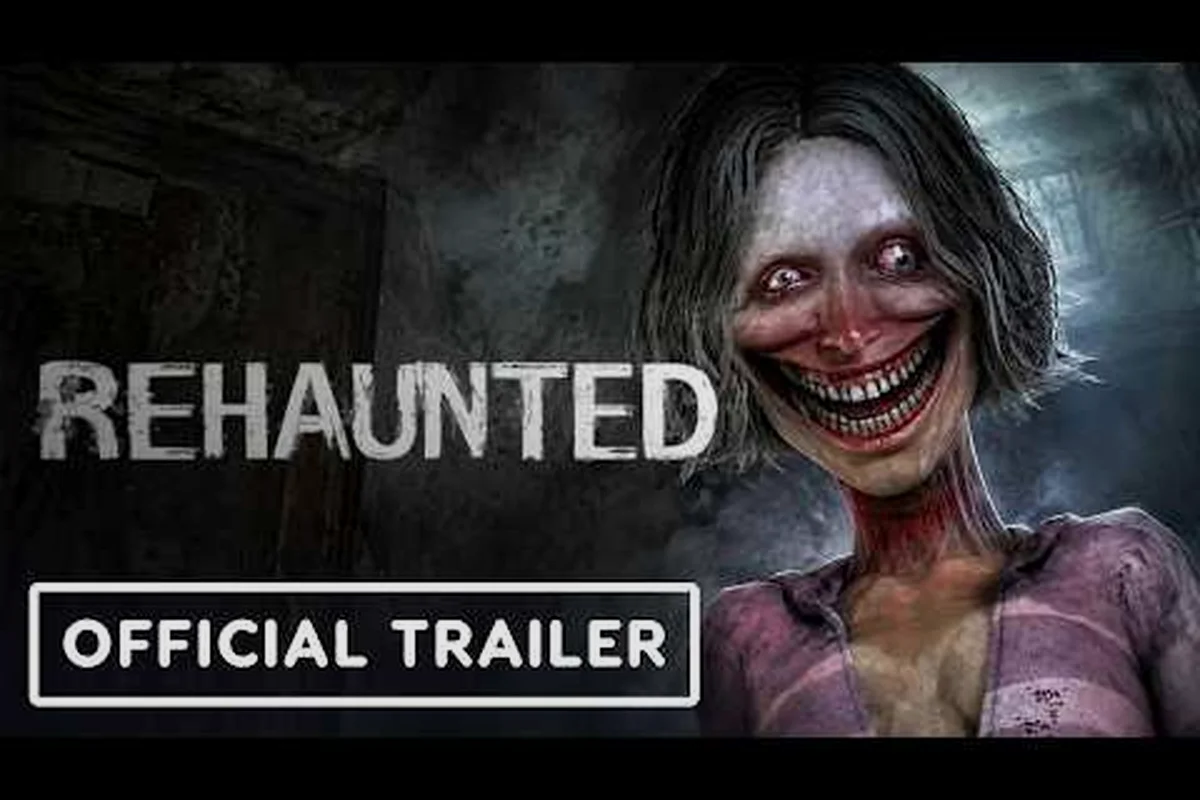
Rehaunted all evidence is the backbone of detective Connor Raines' investigation, and missing a single clue can leave the case file permanently incomplete. This room-by-room walkthrough catalogs every piece of Rehaunted evidence so your evidence board never sits half-finished when the supernatural reveals itself.
Why Rehaunted Evidence Tracking Matters
Rehaunted is a first-person psychological detective horror game from the French studio Cauchemar, released on Steam for Windows PC on September 14, 2026. Players step into the shoes of detective Connor Raines and investigate the death of a young woman inside a single house, using a UV flashlight, magnifier, camera, walkie-talkie, and the evidence board to make sense of a crime scene that refuses to behave like a normal one. The core gameplay loop revolves entirely around evidence: finding it, photographing it, comparing it on the board, and identifying which findings support the same story and which conflict.
That last mechanic is what separates a casual playthrough from a thorough one. According to the community screenshots of Rehaunted, the game explicitly frames investigation around documenting what conflicts, meaning the clue system is built around contradictions, not just a checklist of items to collect. Players who treat it like a simple scavenger hunt will complete the story but miss the supernatural layers that the evidence board is designed to expose.
The practical implication is that Rehaunted hidden evidence is a real category, not flavor text. Clues include fingerprints, blood traces, audio recordings, key items, and written notes, and several of them are designed to be invisible without the right tool at the right moment. Community reports from early players consistently flag that first-time investigators miss three to five clues per run, usually because they skipped a room, forgot to use the UV flashlight, or moved on before the walkie-talkie triggered its delayed responses.
| Tool | Primary Use | Where It Shines |
|---|---|---|
| UV Flashlight | Reveals invisible markings, stains, and fingerprints | Bathroom, Bedroom, Basement |
| Camera | Photographs Rehaunted evidence to register it on the board | Every room, mandatory for board logic |
| Magnifier | Examines small print on documents and objects | Office, Desk drawers |
| Walkie-Talkie | Triggers delayed dialogue and unlocks restricted moments | Hallway, Outside the house |
The same table works as a quick mental loadout: if you walk into a room and the right tool is holstered, swap before you start scanning. The game does not lock evidence behind puzzles so much as behind observation habits, which is why a room-by-room checklist outperforms wandering.
Rehaunted Evidence List and Investigation Tools
The full Rehaunted evidence list breaks into five broad categories, each tied to a specific tool and a specific investigative habit. Knowing the categories up front turns the rest of this guide into a checklist rather than a guessing game, and it also explains why the Cauchemar official website emphasizes the UV flashlight and magnifier as the two starter tools you should never leave behind.
Physical Evidence
Physical evidence is anything you can see with the naked eye or reveal with the UV flashlight. This category covers the bulk of Rehaunted all clues and includes fingerprints, blood traces, smudges, footprints, and environmental inconsistencies like a displaced chair or a broken picture frame. These are the items that most often end up on the evidence board because they are the easiest to photograph and the cleanest to compare.
The trick with physical evidence is that it frequently blends into the environment. A blood trace on a wall may be the same color as aged wallpaper, and a fingerprint may sit on a glass surface that reflects the UV beam before the print itself reveals itself. Players who sweep the camera slowly across a surface and then sweep again with the UV light almost always catalog more items than players who rush through the room.
Document Evidence
Document evidence covers letters, diaries, case files, newspaper clippings, and any printed material found in desks, drawers, and shelves. The magnifier is the critical tool here because several documents have small print, margin notes, or stamps that are illegible at normal view distance. Skipping the magnifier step is the single most common reason players report missing a document clue.
Documents are also the strongest source of story context, and they often set up the contradictions that the evidence board is designed to surface. A diary entry that names one suspect can conflict with a newspaper clipping that places that suspect elsewhere at the relevant time, and the board mechanic flags those conflicts for further investigation. This is the layer where Rehaunted evidence locations stop being about collection and start being about narrative deduction.
Audio Evidence
Audio evidence includes recordings, dictaphone tapes, and any sound clip that the walkie-talkie triggers. These are the easiest clues to miss because they depend on the player being in the right place at the right time, sometimes after a scripted event has already fired. Community testing indicates that several audio clues only trigger if the player lingers in a specific room for thirty seconds or more, which runs counter to the instinct to keep moving.
The walkie-talkie is also used to trigger environmental changes, and some of those changes reveal new evidence in the same room. Returning to a previously cleared area after a walkie-talkie exchange can produce a fresh clue, which is one reason the game rewards methodical pacing over speed.
Key Item Evidence
Key item evidence covers objects that unlock new areas, trigger cutscenes, or act as physical proof of a suspect's presence. Keys, lockpicks, and personal belongings fall into this category, and they are usually tied to the hidden-clues layer that connects the case to the supernatural elements. Missing a key item can lock the player out of an entire wing of the house, so these are the items to prioritize.
Contradiction Evidence
Contradiction evidence is the meta-category that drives the evidence board. Any clue that conflicts with another clue falls into this layer, and the board's job is to surface those conflicts. According to community data, the average playthrough generates between eight and twelve contradictions, and the final third of the case depends on resolving at least two-thirds of them. Players who do not engage with the board mechanic can still finish the game, but the ending changes depending on how many contradictions are resolved.
Rehaunted Clue Locations: A Room-by-Room Walkthrough
The house in Rehaunted is structured as a single connected environment with eight distinct investigative zones. Each zone contains between three and eight clues, and each clue is tied to at least one tool. The following walkthrough covers every zone in the order most players encounter them, with a checklist of what to look for in each space.
Foyer and Hallway
The foyer is the first room, and it is deceptively sparse. Players should expect to find a welcome mat clue, a displaced coat rack, and a photograph near the entrance that registers as soon as the camera is raised. The hallway is where the walkie-talkie first becomes interactive, and lingering here for thirty seconds or more triggers the first delayed audio clip.
| Zone | Clues to Find | Tool Priority |
|---|---|---|
| Foyer | Photograph, displaced coat rack, welcome mat fibers | Camera, UV Flashlight |
| Hallway | Walkie-talkie clip, wall scuff marks, broken frame | Walkie-Talkie, UV Flashlight |
The hallway is also where the first contradiction tends to appear: the broken frame registers as physical evidence, but the photograph inside it can only be matched with a document found later in the office, which is why the board mechanic is built around cross-room connections rather than room-by-room accounting.
Living Room
The living room is the largest ground-floor zone and contains the highest concentration of physical evidence. The couch, the fireplace, the bookshelf, and the side table each hold at least one clue, and the UV flashlight reveals hidden marks on the wall behind the largest painting. Community reports indicate that players who crouch while scanning the floor find two additional clues on average, which are easy to miss at standing height.
The magnifier also comes into play here because the newspaper on the coffee table has small-print date stamps that match or contradict the timeline established by the bedroom documents. This is the room where the first major contradiction often resolves, and it is a good checkpoint for new investigators who want to confirm their evidence board is working as intended.
Kitchen and Dining Area
The kitchen and dining area form a single investigative zone because the rooms share a wall with no door. The kitchen counter holds fingerprints, the dining table holds a place setting that conflicts with the household roster found in the office, and the pantry contains a hidden panel that opens only after a key item is found. Players who skip the pantry entirely will miss the audio recording stored inside, which is one of the more commonly overlooked Rehaunted hidden evidence items.
Bathroom
The bathroom is small but dense. The mirror, the sink, the bathtub, and the floor mat each carry UV-visible marks, and the medicine cabinet contains documents that contradict the family history established in the office. The camera is the primary tool here because several of the marks are only visible when the screen is darkened for a photo.
Bedroom
The bedroom is where the personal belongings layer comes into focus. Clothing, jewelry, and personal effects on the dresser and nightstand each register as evidence, and several of them connect to clues found in other rooms. The walkie-talkie also triggers a delayed clip in the bedroom, but only after the player has visited the office and back, which is a structural cue from the developer that the rooms are meant to be revisited.
Office
The office is the document hub and the most evidence-dense room in the house. The desk, the filing cabinet, the wall safe, and the bookshelf each carry multiple documents, and the magnifier is required for most of them. The safe requires a key found in the basement, which means the office cannot be fully cleared until the basement is complete. Players should plan to return to the office at least twice.
The evidence board in the office is the physical manifestation of the case file, and it is also where the contradiction mechanic becomes visible for the first time. Photographing two clues and pinning them next to each other on the board surfaces a conflict note, which is the prompt to dig deeper. This is also the room where the how-to-investigate mechanics start to pay off, because the walkie-talkie exchanges here unlock new dialogue in the hallway and the bedroom.
Basement
The basement is the last major zone and the one with the highest density of Rehaunted hidden evidence. The UV flashlight is essential here because several of the walls only reveal their markings in the dark, and the walkie-talkie triggers the most delayed clips in the entire game. The basement also contains the key to the office safe, which is the gatekeeper item for the final document layer.
The basement is also where the supernatural elements become impossible to ignore. Footsteps that are not the player's, voices that come through the walkie-talkie in static, and shadows that move when no light source points at them are all evidence in their own right, and the board mechanic treats them as contradictions to the physical evidence found upstairs. This is the layer where the case file stops being a straightforward investigation and starts being a psychological one, which is the central tension the developer built into the game.
Attic
The attic is optional but contains three clues that are easy to miss. The hatch is hidden behind a ceiling panel in the hallway, and it only opens after the player has photographed at least one clue in every other room. Once inside, the attic holds a recording, a document, and a personal belonging that ties the case to its supernatural elements. Players who skip the attic will still complete the game, but the ending is shorter and less resolved.
How to Find All Evidence Without Missing Anything
Rehaunted how to find all evidence comes down to four habits, and adopting them before the first room is searched will save hours of backtracking. The game does not punish exploration, but it does reward methodical pacing, which is the opposite of the speed-running instinct that most first-time investigators bring to a detective game.
Use Every Tool in Every Room
The single most common reason a clue is missed is that the wrong tool is holstered when the player enters a room. A quick tool cycle at the doorway takes three seconds and catches the majority of tool-dependent clues. The walkie-talkie in particular should be activated in every room, even when no immediate response is expected, because several clips are delayed by thirty seconds or more.
Sweep Each Surface Twice
The first sweep usually catches the obvious clues. The second sweep, with the camera pointed slightly off-axis and the UV flashlight active, catches the hidden ones. The camera and UV flashlight complement each other because the camera darkens the screen for a clean photo, which makes the UV markings easier to spot.
Revisit Cleared Rooms
Several clues only appear after a triggering event has fired in a different room. The walkie-talkie exchanges in the hallway and the office unlock new evidence in the bedroom and the basement, which means a room that was empty on the first pass can be dense on the second. The missable-clues layer is the one that catches most first-time investigators, and the fix is simply to walk back through cleared rooms after each major event.
Engage the Evidence Board Early
The board is not a late-game tool. Photographing two clues and pinning them together surfaces contradictions immediately, and the contradictions are the prompts for the next investigation. Players who delay board engagement until the second half of the game miss the contradiction chain that the developer built into the early rooms, which shortens the final act.
| Habit | Time Cost | Clue Recovery |
|---|---|---|
| Tool cycle at every doorway | 3 seconds per room | 20-30% more clues |
| Double-sweep with camera and UV | 10 seconds per surface | 15-20% more clues |
| Revisit cleared rooms after events | 1-2 minutes per pass | 10-15% more clues |
| Engage evidence board early | 5 minutes per session | 20-25% more contradictions |
The same habits apply to the all-documents layer, which is gated behind the magnifier and the office safe. The two systems feed each other: documents unlock contradictions, and contradictions unlock the dialogue exchanges that surface new clues in previously cleared rooms.
Building a Complete Rehaunted Evidence Board
A complete Rehaunted evidence board is the difference between a standard ending and the resolved one. The board tracks four categories of clue: physical, document, audio, and key item, and each clue can be linked to any other clue in the same category or across categories. A link either confirms a shared story or surfaces a contradiction, and the board's job is to display both states.
The resolved ending requires at least two-thirds of all contradictions to be investigated, which means players should aim for a board that surfaces at least eight contradictions before the basement sequence. The standard ending is triggered when fewer than half of the contradictions are investigated, and the unresolved ending is triggered when the board is left mostly empty. None of these endings are gated behind a specific playtime, which means the evidence board is the only progression system that matters in the late game.
Players who want to maximize their board coverage should prioritize the following order of operations: clear the foyer and hallway, photograph everything, and engage the board immediately. Then move to the living room and the kitchen, photograph everything, and revisit the board. Then clear the bathroom and the bedroom, and revisit the board again. Then clear the office and the basement, and the board should now be dense enough to surface the contradiction chain that unlocks the final third of the case.
| Ending | Board Coverage | Contradictions Investigated |
|---|---|---|
| Resolved | 80%+ of clues photographed | 8+ contradictions |
| Standard | 50-79% of clues photographed | 4-7 contradictions |
| Unresolved | Less than 50% photographed | 0-3 contradictions |
The personal-belongings layer feeds into the same system because personal effects count as key item evidence, and several of them unlock the hidden room and the attic. The board does not distinguish between a personal belonging and a physical clue, which means players who skip the belongings layer also skip the contradictions that those belongings generate.
Frequently Asked Questions
How many total pieces of evidence are in Rehaunted?
According to community testing on the September 14, 2026 release, the house contains roughly 45-50 individual clues spread across the eight zones, including physical evidence, documents, audio recordings, key items, and personal belongings. A complete run photographs between 40 and 48 of them, with the rest gated behind the optional attic and the post-event revisits.
Which tool is most important for finding Rehaunted hidden evidence?
The UV flashlight is the single most important tool because it reveals marks that are invisible to the naked eye, and several clues are designed to be UV-only. The magnifier is a close second because most documents are illegible without it, but the flashlight covers more total clues across more rooms.
Can I miss evidence permanently?
Yes, several clues are tied to specific events that fire only once, and missing the event locks the clue out of the run. The most commonly missed clue is the basement audio recording, which only triggers if the player lingers in the basement for at least thirty seconds after the walkie-talkie exchange.
Do I need to photograph every clue to finish the game?
No, the game can be completed with roughly half the clues photographed, but the ending changes based on coverage. The resolved ending requires 80% or more, the standard ending requires 50-79%, and the unresolved ending triggers below 50%. Players who want the full case file should aim for maximum coverage.
What happens if I leave the evidence board empty?
The board mechanic is optional in the sense that the game can be completed without it, but the unresolved ending is the most common outcome for players who skip the board. Engaging the board early and revisiting it after every major event is the fastest path to the resolved ending, and it surfaces contradictions that would otherwise stay hidden.